Now that the peak season in e‑commerce is ending, the so‑called return season has begun. According to DHL, return logistics has evolved from a cost center into a decisive strategic factor. Based on the DHL E‑commerce Trends Reports 2025, the logistics company concludes that successful retailers no longer aim to minimize returns at all costs, but instead focus on speed, convenience, and value recovery.
Returns have become a structural part of online shopping. DHL data shows that 79% of online shoppers abandon a purchase when the return policy does not meet their expectations. As a result, a smooth return process directly drives conversion.
Fashion Industry as a Catalyst
Return volumes reach extreme levels particularly in the fashion industry. Ordering multiple sizes or colors — known as “bracketing” — leads to average return rates above 50% in this sector. In size‑sensitive categories such as women’s dresses, this can climb to nearly 90%.
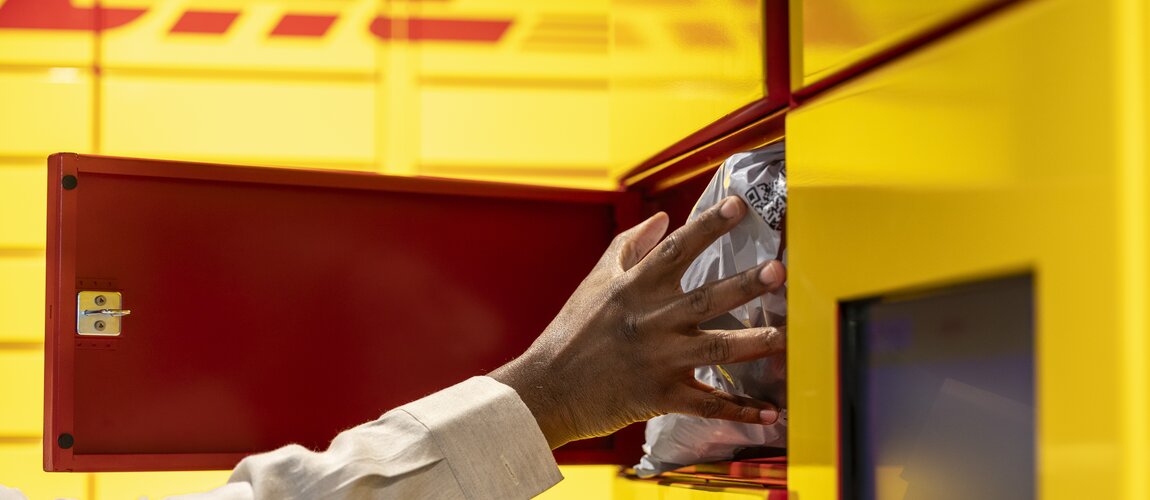
These volumes significantly impact both profitability and sustainability for brands. DHL is responding to this with a global network that includes 3,000 electric delivery vans and trucks in the Netherlands and more than 5,000 service points, half of which are parcel lockers. By dropping off returns at these locations, transport distances are reduced and emissions are minimized.
The Hidden Value of Returned Products
The growing volume of returns also creates a substantial economic opportunity. Globally, an estimated €53.5 billion in value remains untapped because returned products are treated as waste rather than as reusable assets. Through inspection, refurbishing, and resale, a large portion of this value can still be recovered.
Michel Clausing, CCO DHL eCommerce Benelux:
“Returns have become a standard consumer expectation. Customers want to shop online and return flexibly through a dense network of service points and parcel lockers. With digital solutions such as label‑free returns — now popular among one in three Gen Z consumers — we combine consumer convenience with shorter transport distances.”